What Type of Protein is Best
Category: Healthy Nutrition
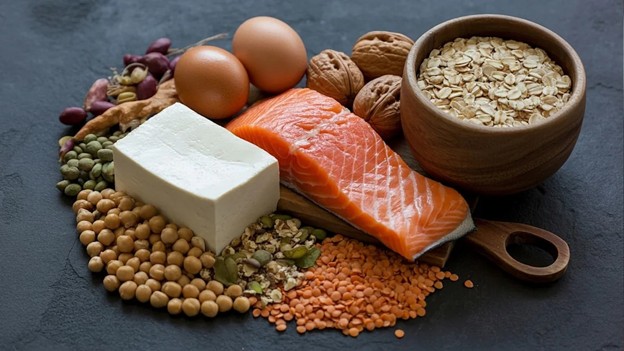
In the nineteenth century, protein was synonymous with meat, and this connection has stayed with us for well over a hundred years.
Many people today still equate protein with animal-based food. However research has shown that the best protein comes from vegetables.
Many plant-based foods have amino acids that your body can use to form complete proteins. Keep in mind that all leafy greens and green vegetables will also give you some protein that prevents inflammation in muscle cells.
Here’s some of the best sources of proteins:
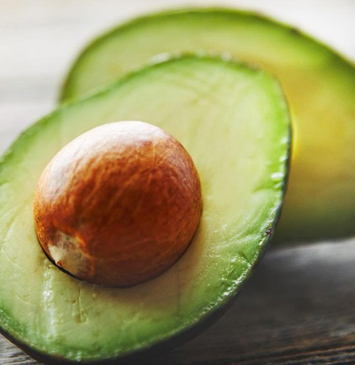
Avocados
Unusually for a fruit, avocado does contain protein as well as carbohydrates and omega 6 essential fats, which can help reduce low-density lipoprotein, the unwanted type of blood cholesterol.
Avocado is two per cent complete protein – only a little less than whole milk
– and it also contains fibre, which aids healthy digestion.
In terms of protein content, 15 avocados equal one chicken fillet.
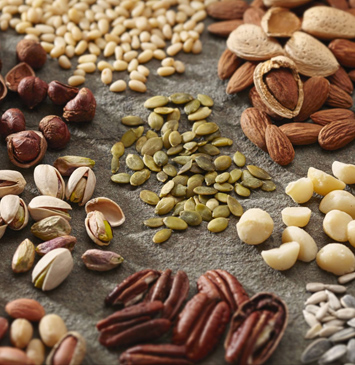
Nuts
CoQ10 is a powerful antioxidant found in every cell of the human body, mainly the heart and major organs. It protects the cells from a wide assortment of free radicals.
The current Daily Value (%DV) for protein is 50 grams per day. One ounce (1oz) of nuts or seeds is typically equivalent to a handful, or 2-3 tablespoons. Most nuts provide between 8-18% DV of protein per 1oz handful.
Beans
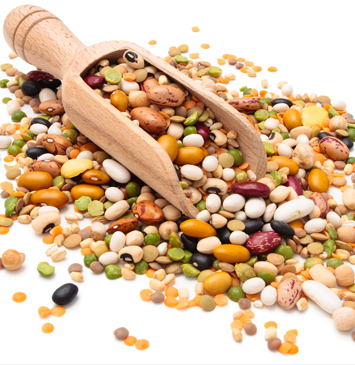
Beans are a low-fat, cholesterol-free food, rich in many minerals including folic acid, iron, potassium and magnesium. They are high in fiber and protein as well. Some types of beans have more protein than others, but beans for the most part are considered a high-protein food.
Soybean is an example of high-protein bean.
Yellow soybeans contain a protein content of 14.3 grams for every ½-cup serving. While it’s other variety, Edamame, has slightly less at 22.2 grams in every cup. The protein contained in soybeans is considered a complete protein, meaning it contains all the essential amino acids that our bodies need.
Soy
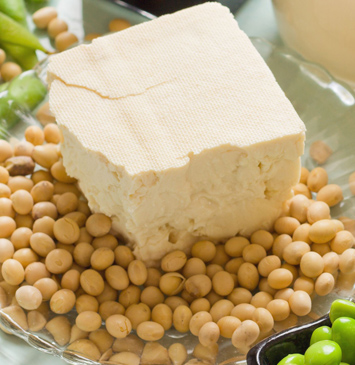
Soy is a complete source of protein shown to lower cholesterol.
Fifty grams of soy protein daily can help lower cholesterol by about 3%. Eating soy protein instead of sources of higher-fat protein — and maintaining a healthy diet — can be good for your heart.
The next best protein come from fish.
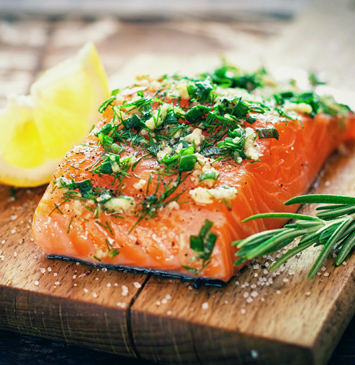
Fish is one of the best dietary sources of animal protein because it gives you a healthy amount of protein but has less saturated fat than red meat has.
The amount of protein varies by type. For example, 6 oz. of salmon contains 34 g of protein, while 6 oz. of cod contains 32 g of protein. Meanwhile, 6 oz. of yellowfin tuna contains about 50 g of protein, while the same portion of trout has 46 g of protein.
Other sources of good protein in fish are from coldwater fish such as mackerel and sardines contain omega-3 fatty acids and are rich in protein.
The next best protein comes from fowl, because the fat of the bird is on the outside and not marbled in the meat.
Fowl
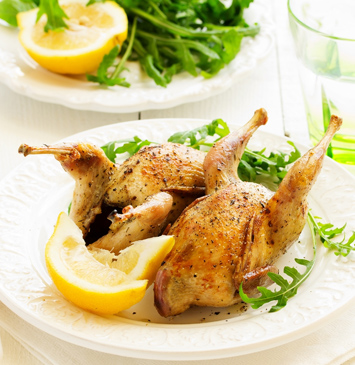
One type of fowl that contains many proteins is pigeon.
The value protein in its meat is 17.5 g/100gr and It is almost same with protein of cow, 18.8g/100gr.
Trying to eat raw protein isn’t all that easy and not so tasty either. This is why I take a high quality plant based protein supplement.
If you have blood sugar challenges, you’ll be amazed how much better you feel after taking Life Shake.
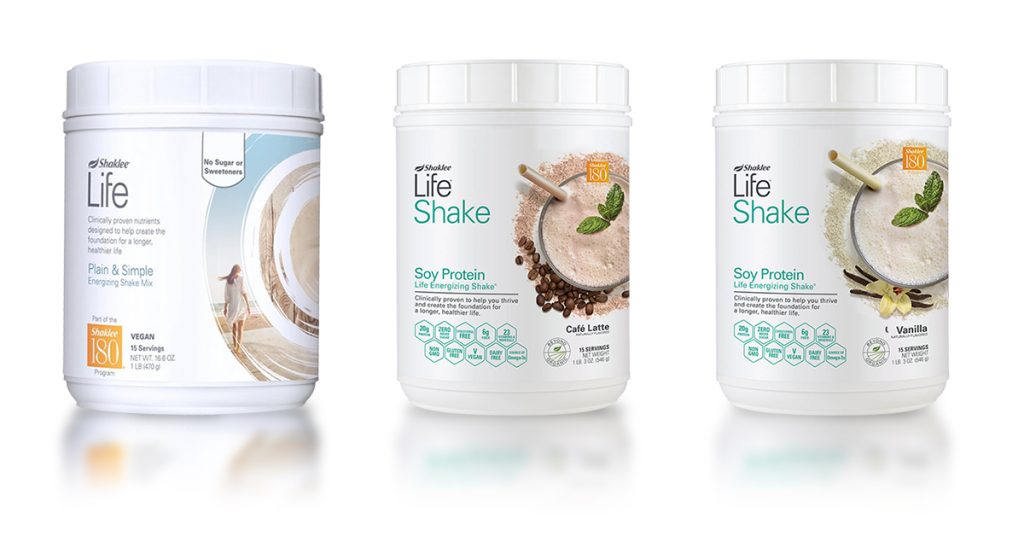
The Life Energizing Shake comes packed with:
- 16 grams of ultra-pure, plant-based, non-GMO soy protein with precise ratios of 9 essential amino acids, optimized for high protein quality
- Added leucine to help preserve lean muscle and achieve a healthier weight
- A powerful patent-pending combination of prebiotics and one billion CFU of patented probiotics
- Omega-3 (ALA) to support heart and brain health. Learn More
The human body needs many different vitamins, minerals, electrolytes, and other biological factors in order to maintain its health, wellness, and vitality.
Protein is no exception.
Our body requires protein in order to function properly, and without it, we would hardly be able to function at all. And with our busy schedules and running around, it can be difficult to make sure we’re getting the nutrients we need, as well as maintaining a balanced diet and keeping our weight low and our energy levels high.
By adding a wide range of foods high in protein like the ones mentioned above in your diet, you become less-likely to be at risk of deficiencies in certain amino acids and live a healthier life.
Thanks for reading!
Jerry
Your Wellness Guide
+1 703-626-0774 / Jerry@Fit4LifeLLC.com
https://www.fit4lifellc.com